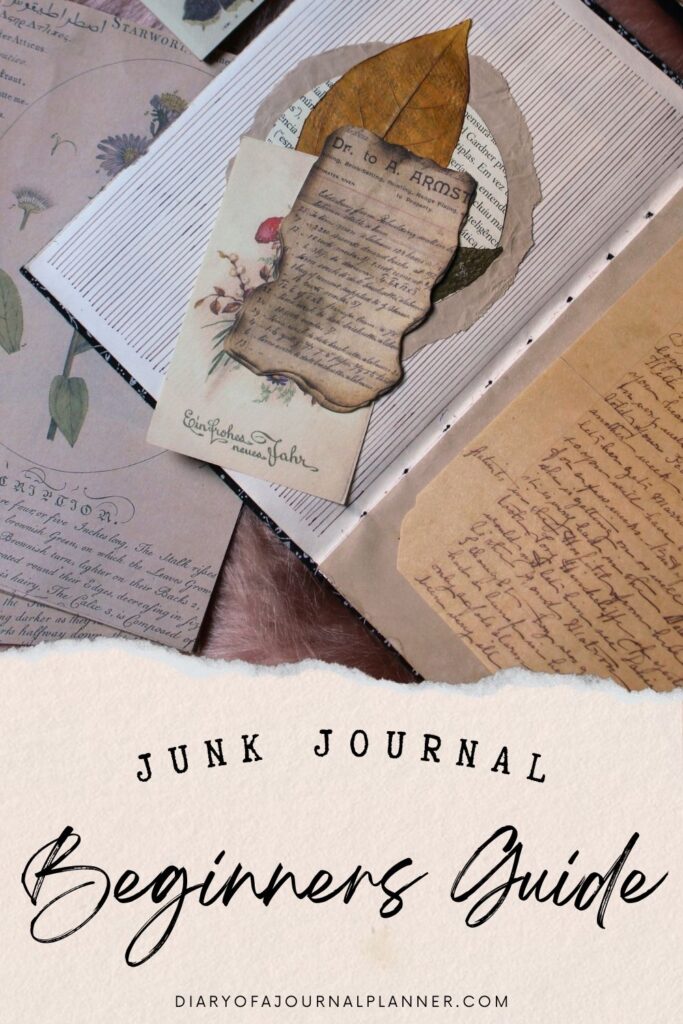
If you love collecting pretty paper scraps, sentimental keepsakes, and random bits of magic, junk journaling is about to become your new favorite obsession! The perfect Junk Journal For Beginners guide.
Junk journaling is a beautiful, creative, and fun personal way to document memories, express yourself artistically, and repurpose everyday materials into something meaningful.
It really doesn’t matter if you’re a seasoned artist or a complete beginner, creating a junk journal allows you to craft a book that reflects your personality, experiences, and imagination.
This is a easy guide for how to make a junk journal for beginners and pros alike.
What is a Junk Journal?
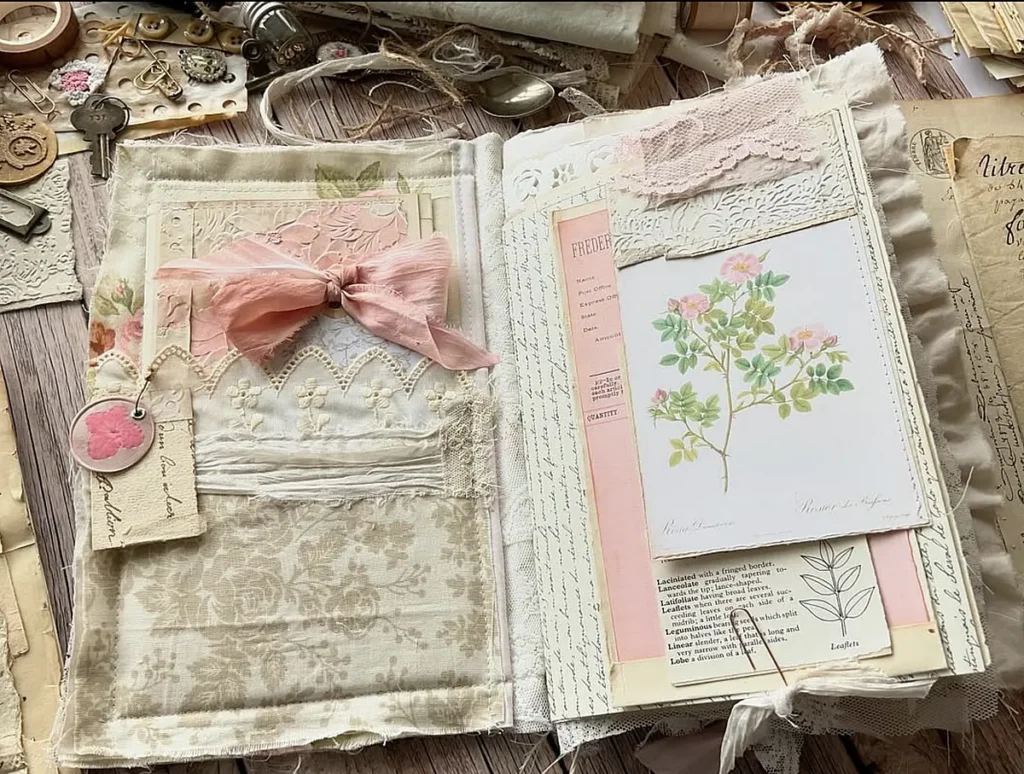
A junk journal is a handmade book crafted from a mix of recycled and found materials.
Unlike a traditional notebook, junk journals embrace an eclectic and layered approach, often including:
- Vintage papers, book pages, and maps
- Scraps of fabric, lace, or ribbon
- Envelopes, tickets, and postcards
- Handwritten notes, stamps, and stickers
- Anything that holds sentimental or aesthetic value
Junk journals are both an artistic outlet and a special keepsake, making them a wonderful mix of memory-keeping and creativity.
Why Keep a Junk Journal?
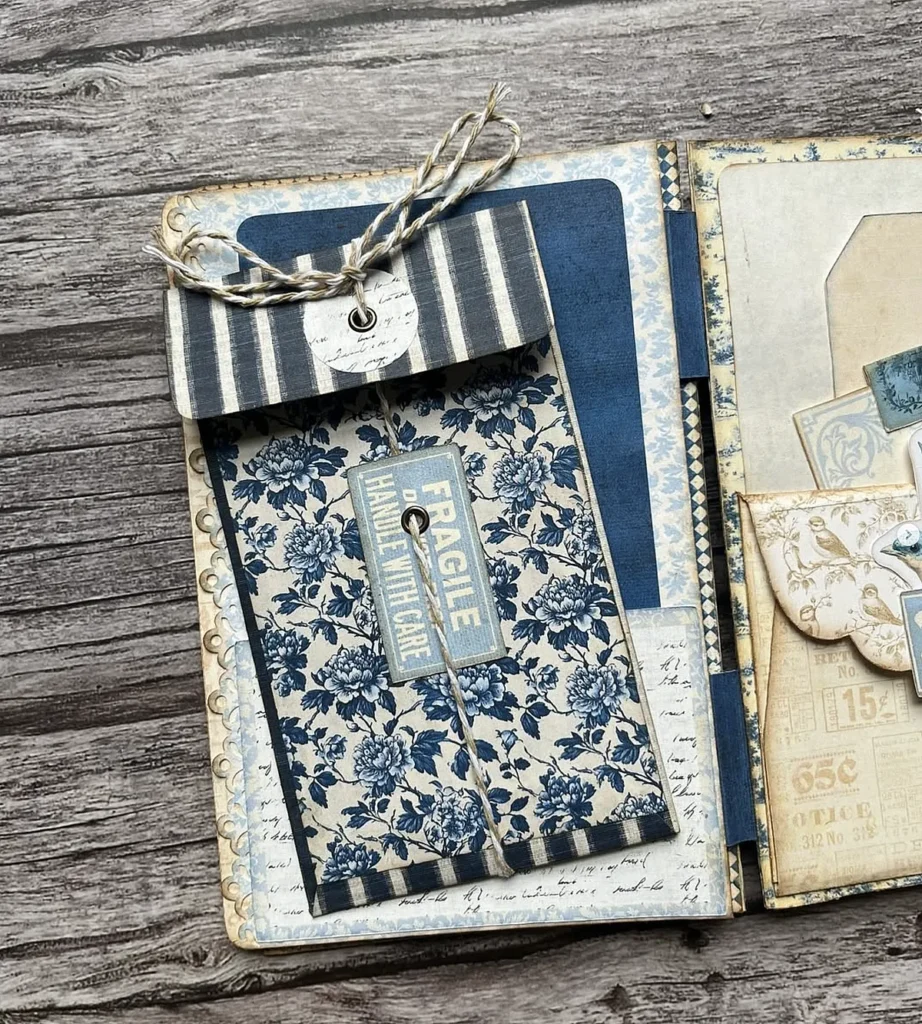
The beauty of junk journaling lies in its flexibility. There are no strict rules to follow and each journal is unique and personal.
Here are some inspiring ways you might use one:
- Daily Reflections: Capture snippets of your daily life, from simple joys to deep thoughts.
- Memory Book: Treasure meaningful keepsakes like old letters, travel tickets, or photographs.
- Creative Exploration: Experiment with mixed media, painting, collage, and calligraphy to use your junk journal for art journaling.
- Planner & Organizer: Jot down ideas, goals, or schedules in a beautiful way.
- Personalized Gift: Craft a heartfelt and customized journal for a loved one.
How to Make Your Own Junk Journal
If you’re super keen to start your junk journaling journey, here’s a step-by-step Junk journal guide to help you create one from scratch.
Get ready to learn how to start a junk journal…. it’s about to become your new favorite hobby!
Step 1: Decide on a Purpose or Theme
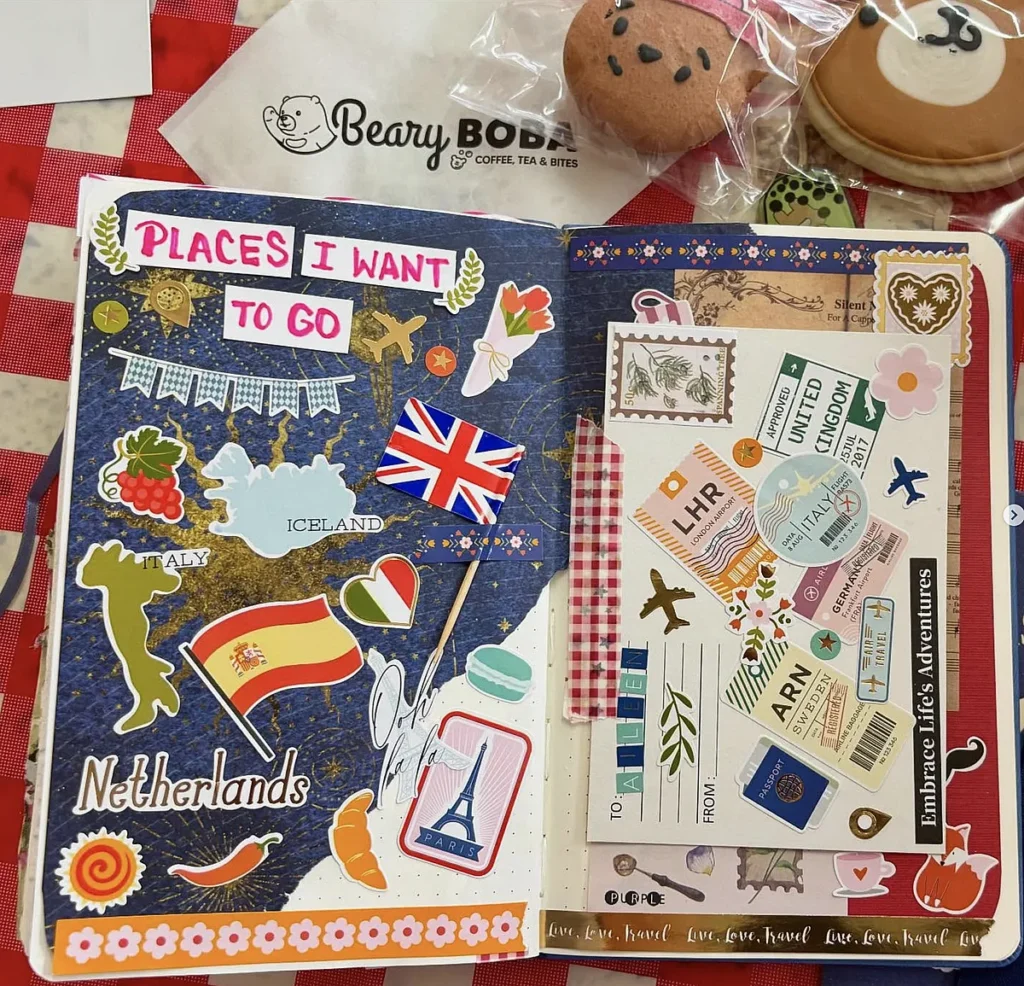
While junk journals are wonderfully spontaneous, having a general theme or purpose in mind can make the process easier because staring at a blank page is always a little scary.
You might choose a theme like:
- Vintage aesthetics
- Travel adventures
- Floral and botanical motifs
- Inspirational quotes and affirmations
- Seasonal or holiday-themed pages
Or you may have a exact purpose for your Junk Journal such as keeping family memento’s or a record of your kids childhood.
Step 2: Gather Your Supplies
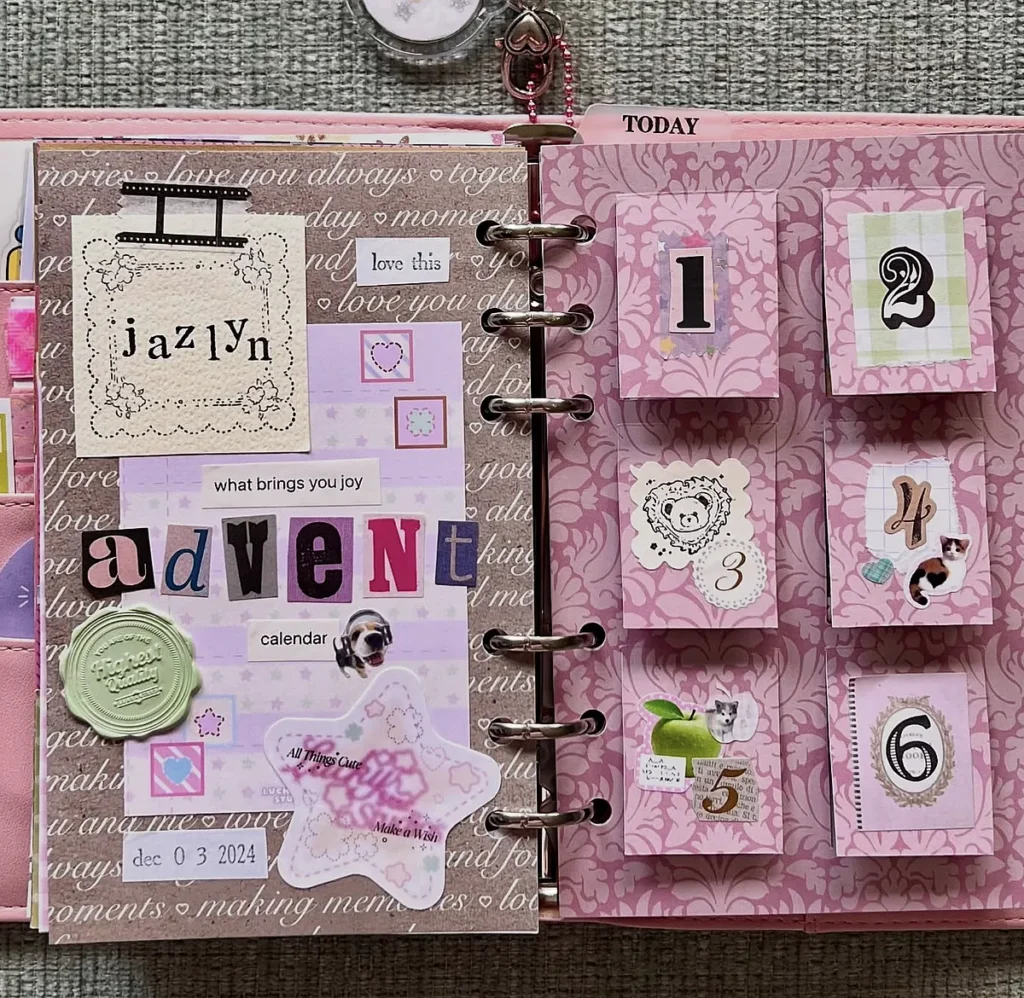
One of the best things about junk journaling is that you don’t need expensive supplies!. All you need is a creative eye for repurposing materials!
Here are some common supplies:
- Old books, magazines, and newspapers
- Scrapbook paper, postcards, and greeting cards
- Fabric, lace, or textured materials
- Glue, washi tape, and decorative stickers
- Pens, markers, or watercolor paints
- Scissors, hole punch, and binding rings
Product offers are temporarily unavailable.
You can also use things like printables when you can’t find exactly what you are looking for with repurposed items. Remember there is no right or wrong way to Junk Journal.
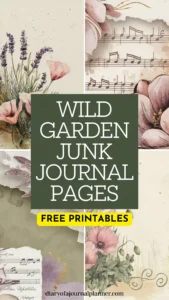
Try our FREE Junk Journal Printables:
- Botanical Junk Journal Printables
- Spring Nature Junk Journal Printables
- Vintage Rose Printables
- Vintage Botanical Printables
- Vintage Happy Easter Printables
- Vintage Easter Rabbit Printables
- Vintage Easter Printables
Step 3: Choose a Binding Method
There are a few ways to bind your junk journal, depending on the look and feel you want:
- Sewn Binding: Stitch the pages together for a sturdy, handmade book. Yo
- Binder Rings: Use loose-leaf rings to allow for easy page rearrangement.
- Elastic Binding: Similar to a traveler’s notebook, this allows you to insert and remove pages.
- Altered Book Method: Repurpose an old hardcover book and transform it into a junk journal by adding your own elements.
- Use A Purchased Notebook: We definitely do not judge anyone that finds a journal, notebook or art journal to use as a base for Junk Journaling and it can be a great place to start if you are a junk journaling beginner who wants to focus on creating pages.
Product offers are temporarily unavailable.
Step 4: Assemble the Journal Base
If you are choosing to create your own journal, the next step is to decide on the pages and then once you have your pages, decide on the order and layering.
Try mixing different paper sizes and textures to create depth and a fun look. If you are using a sewn or ring binding, punch holes accordingly and secure the pages.
We found this helpful tutorial that can help out if you are a beginner.
Skip this step if you are repurposing or using a new notebook.
Step 5: Things To Put In A Junk Journal
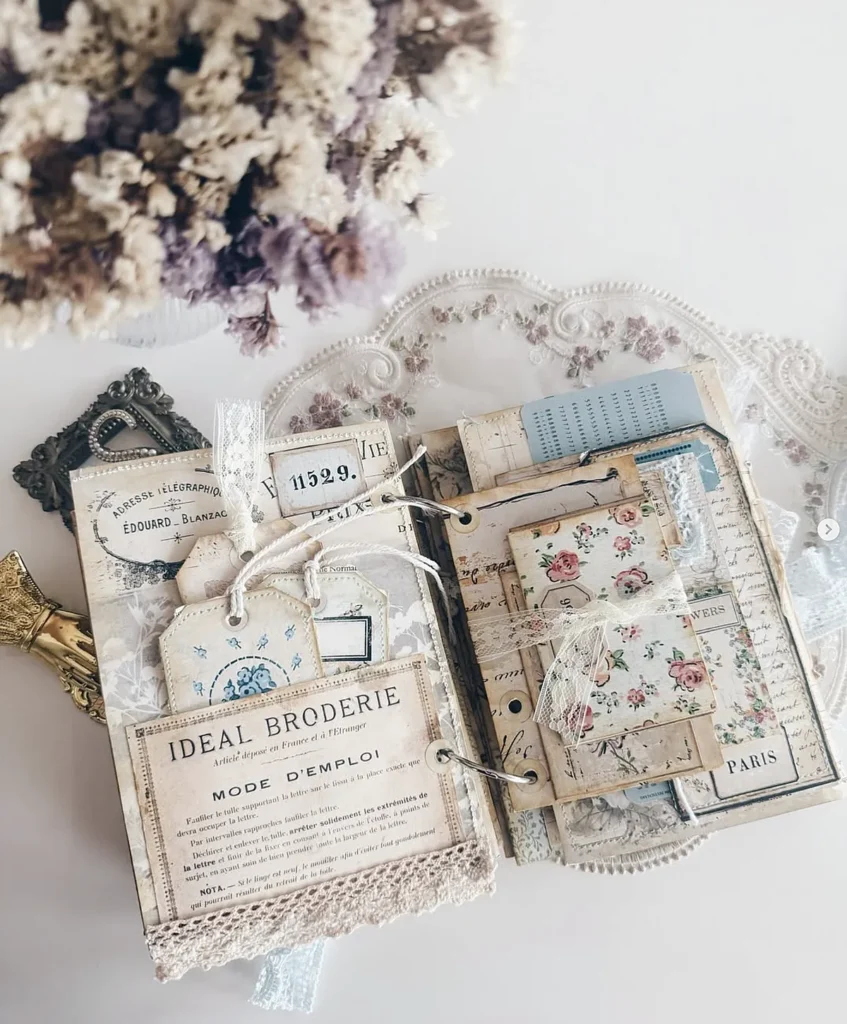
This is where the fun begins!
Start decorating your journal by:
- Layering paper scraps and ephemera ( a fancy word for all your collected goodies, you find out more here.)
- Creating hidden pockets for small notes or trinkets
- Adding watercolor washes, doodles, or handwritten quotes
- Using stamps, stencils, or vintage-inspired embellishments
- Incorporating photographs, pressed flowers, or fabric swatches
You can create your pages however you like. You make like to place them all before gluing ( remember to take a photo on your once you have them placed where you are happy with them so you can recreate it with glue ).
They can be neat and organized or make it up as you go along. You can even do a mix of both.
Step 6: Keep Experimenting!
Junk journaling is one big exciting experiment.
There’s no right or wrong way to do it, so embrace imperfection and keep trying new and different techniques.
You can decide to add to it daily or pick it up occasionally, your junk journal will grow into a treasured keepsake over time.
Junk journaling is more than just a craft, it’s an opportunity to slow down, appreciate everyday moments, and express yourself in a deeply personal way.
With so many different possibilities, each junk journal becomes a one-of-a-kind masterpiece reflecting YOUR creativity and experiences.
If you’re new to junk journaling, start small and enjoy the process.
Over time, you’ll develop your own unique style and create journals that tell your story in the most beautiful, unexpected ways.
If you feeling a little stuck on ideas you can always look on places like Pinterest for inspiration and ideas. There are some amazing Junk Journalers, just remember to not compare your pages to theirs. We are all on our own journey.
PIN FOR LATER!